
Marine Surveyor of Recreational Vessel and Cargo (781) 337 – 6903
Marine Surveyor of Recreational Vessel and Cargo (781) 337 – 6903
Rulet, blackjack ve slot makineleriyle dolu bahsegel büyük ilgi görüyor.
Rulet, blackjack ve slot makineleriyle dolu bahsegel büyük ilgi görüyor.
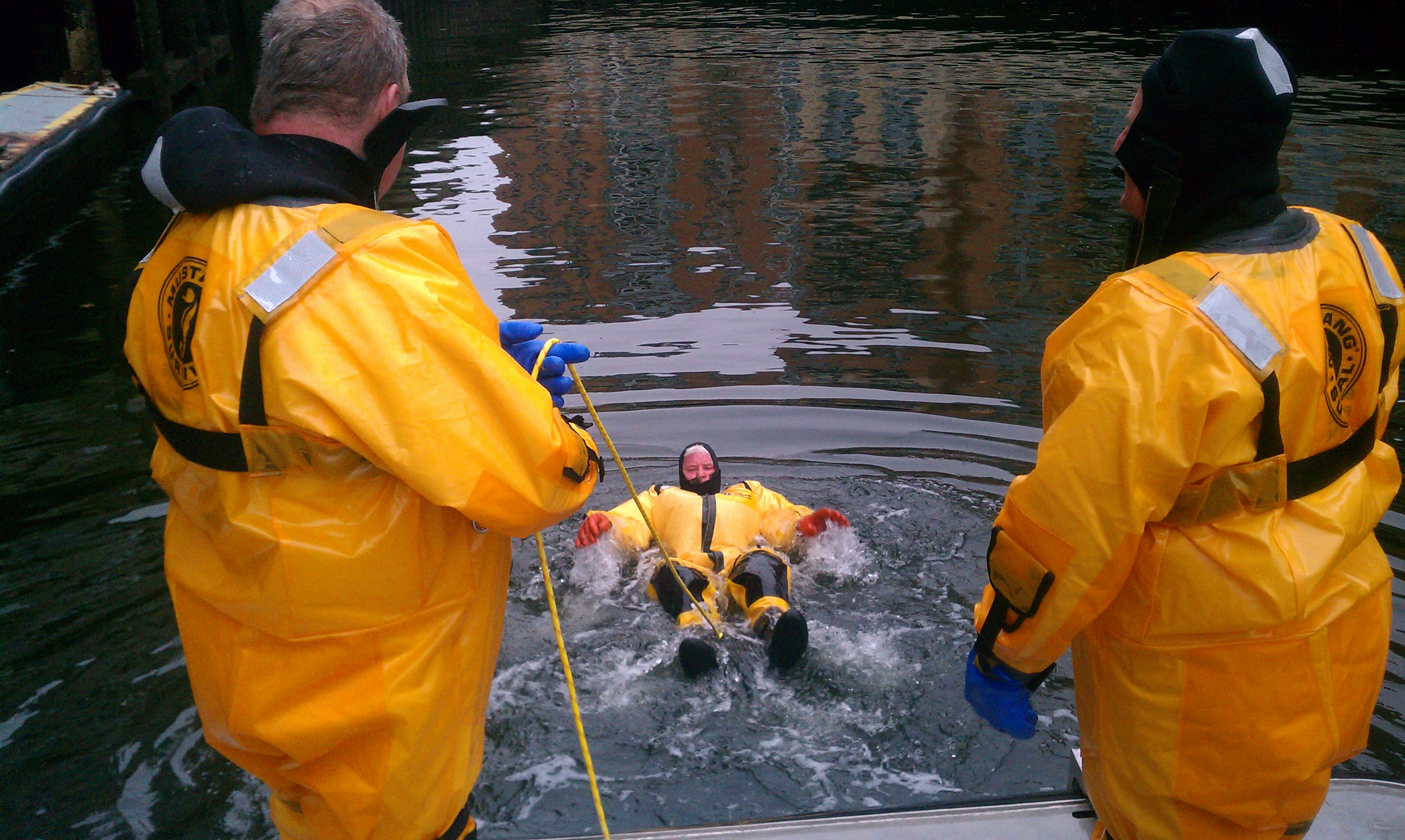
At Mass Maritime Marine, we deliver world-class maritime security and operations training designed to meet the evolving needs of today’s maritime professionals, organizations, and operational units. Located near Boston, MA, our training programs blend decades of maritime expertise with hands-on instruction to prepare teams for real-world challenges across security, operations, tactical boarding, salvage, logistics, and port management.
Whether you’re seeking advanced operational readiness, enhanced vessel safety, or specialized security certifications, Mass Maritime Marine provides comprehensive solutions tailored to individual, unit-level, and organizational-level goals. Our team consists of seasoned maritime experts, including U.S. Coast Guard–licensed professionals, ensuring that every training program is backed by deep industry knowledge, real-world experience, and proven standards.
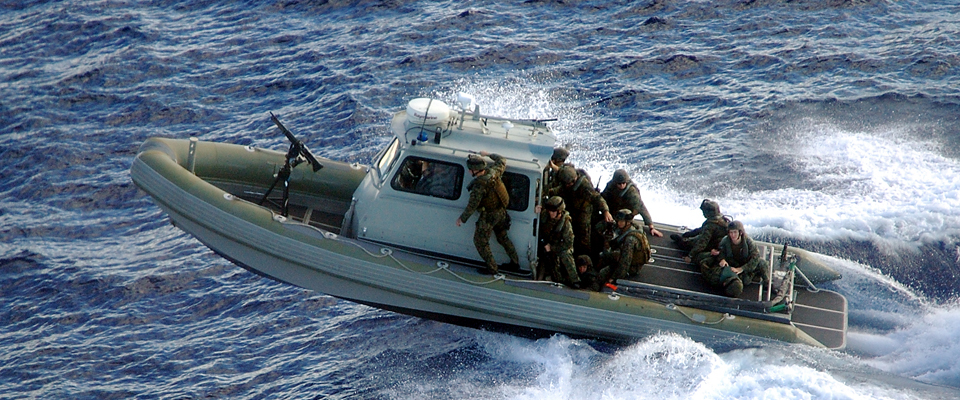
Our small boat operations training equips maritime teams with the critical skills needed to manage small vessels safely and effectively in demanding operational environments. This training covers boat handling, navigation, seamanship fundamentals, and real-time operational decision-making.
During the program, participants gain hands-on experience in small vessel navigation and handling techniques, preparing them for challenging conditions and mission-critical tasks. This module is ideal for teams that perform harbor patrols, tactical maneuvers, or Search and Rescue (SAR) operations training.
Mass Maritime Marine’s instructors emphasize safety, control, and operational readiness—ensuring crews are fully prepared for complex small-boat scenarios.
Our maritime security officer training is designed for professionals who require advanced knowledge in maritime threat response, vessel protection, and regulatory compliance. This training supports certifications such as Vessel Security Officer (VSO) training, Facility Security Officer (FSO) training, and Company Security Officer (CSO) training.
Participants learn the principles of security program management and operations, maritime risk identification, access control, and incident response planning. The curriculum incorporates maritime threat assessment and planning, giving trainees the ability to identify vulnerabilities, detect suspicious activity, and implement effective countermeasures.
This program is ideal for maritime companies, port authorities, and vessel operators throughout Boston, MA seeking stronger compliance and heightened onboard security.
Mass Maritime Marine offers comprehensive harbor and port operations training tailored for professionals working in high-traffic port environments. This program covers port resource management, vessel coordination, traffic monitoring, and emergency action planning.
Participants gain exposure to realistic port-management scenarios, including communication protocols, operational logistics, and vessel movement planning. The training includes modules on operational logistics planning for vessels, port-side emergency preparedness, and maritime emergency response training—ensuring teams can maintain smooth, safe, and compliant port operations under pressure.
This specialized training supports both public and private maritime entities in maintaining efficient operations within the Boston, MA port ecosystem.
Our boarding and tactical operations training prepares maritime professionals for high-risk boarding situations, vessel inspections, and tactical interdiction missions. This is essential for security agencies, port authorities, patrol units, and private maritime security teams.
The curriculum provides comprehensive instruction in tactical movements, communication, situational awareness, and high-risk entry procedures. Participants also practice tactical boarding training for professional teams, enabling them to board vessels safely and effectively during compliance checks, threat situations, or coordinated security operations.
Mass Maritime Marine’s training emphasizes safety, discipline, and real-world strategies—ensuring that teams are mission-ready and fully aligned with international maritime security standards.
Our maritime salvage and diving training provides the technical expertise required for underwater recovery, salvage operations, and structural inspections. This program is ideal for maritime contractors, emergency response teams, and salvage specialists.
Participants gain hands-on exposure to underwater environments through modules such as underwater survey and inspection training, salvage lifting techniques, hazard identification, and debris-removal procedures. The training also integrates marine photo and video documentation training, enabling divers to record, verify, and report underwater findings with precision.
The expertise shared by Mass Maritime Marine helps organizations elevate their salvage capabilities, support port recovery efforts, and ensure safe diving operations across Boston, MA.
Our vessel management and logistics training provides comprehensive guidance on vessel operations, compliance, onboard systems, and maritime resource management. This program is designed for vessel operators, supervisors, and crew members responsible for daily operational performance.
Participants learn how to manage vessel workflow efficiently, coordinate supply chains, and implement operational logistics planning for vessels. The curriculum also incorporates emergency awareness, crew coordination, and real-time decision-making—ensuring vessels operate with maximum safety and efficiency.
Mass Maritime Marine prioritizes practical training supported by authentic vessel scenarios so teams can confidently manage any operational challenge they encounter.
We offer specialized threat assessment and surveillance detection training to prepare teams for modern-day security challenges. This module focuses on early threat identification, behavioral analysis, situational awareness, and response strategies.
Participants learn the core principles behind maritime threat assessment and planning and gain the ability to identify suspicious behavior in port, vessel, and offshore environments. This training is essential for organizations that require stronger security protocols, compliance, and proactive defense measures.
Through Mass Maritime Marine’s expert instruction, teams learn to apply surveillance detection methods that significantly reduce risk and strengthen overall maritime security readiness.
Mass Maritime Marine also provides comprehensive corporate and organizational maritime training programs that can be customized to meet the specific needs of companies, port authorities, government agencies, and operational units.
These programs are ideal for businesses seeking large-scale skill development, compliance improvement, or tactical readiness. Training modules may include unit-level maritime operations training, leadership development, strategic planning, and organizational-level curriculum development for maritime training.
By tailoring each program to your needs, we ensure that your team receives relevant, effective, and measurable results that directly support your mission and operational goals.
Mass Maritime Marine stands apart as a trusted leader in maritime training due to our deep industry expertise, commitment to safety, and mission-focused training approach. With decades of maritime experience, U.S. Coast Guard credentials, and highly specialized instructors, we provide training solutions that deliver real operational impact.
Whether you’re looking to strengthen your security posture, advance your team’s tactical capabilities, or develop organizational-wide maritime proficiency, our training programs offer unmatched quality and practical value.
Maritime security and operations training includes specialized programs that prepare professionals for vessel protection, operational readiness, tactical procedures, and security compliance.
Small boat operations training focuses on navigation, vessel handling, seamanship skills, and safety procedures for operating small vessels in various environments.
Harbor and port operations training prepares personnel to manage vessel movements, coordinate operations, and handle port-side safety and emergency procedures.
Boarding and tactical operations training focuses on preparing teams for vessel boarding, high-risk inspections, and tactical maritime missions.
Maritime salvage and diving training provides the skills needed for underwater inspections, recovery operations, and marine salvage activities.
This training teaches participants how to oversee vessel operations, manage onboard systems, coordinate resources, and ensure safe operational workflows.
